How Performance Cars Are Getting Cleaner Without Losing Speed
Something changed when engineers started pairing electric motors with combustion engines. Not a compromise. Not a concession to regulators. Lap times dropped. Throttle response got sharper. Nobody expected the cleaner version to be quicker. It was.
Hybrid powertrains did not soften performance cars. They rewired how performance is delivered.
Why Performance Brands Are Adopting Hybrid Powertrains
Emissions targets gave manufacturers no room to stall. Cut power output to meet regulations, or find a way to maintain it through smarter engineering. Most performance brands chose the second option. There was no third.
A smaller turbocharged engine next to an electric motor pulls more than either does alone. Total output holds. Emissions fall. The combustion unit burns less under light load while the electric motor handles the torque gaps. Looking at a hybrid powertrain explained shows why what looked like a workaround on paper ended up driving like an upgrade.
Markets moved fast. Hybrid adoption spread across Europe, North America, and Asia inside a single product cycle. Early movers built platform advantages their competitors spent years trying to close. Buyers who tested hybrid sports cars came back with different expectations than they arrived with.
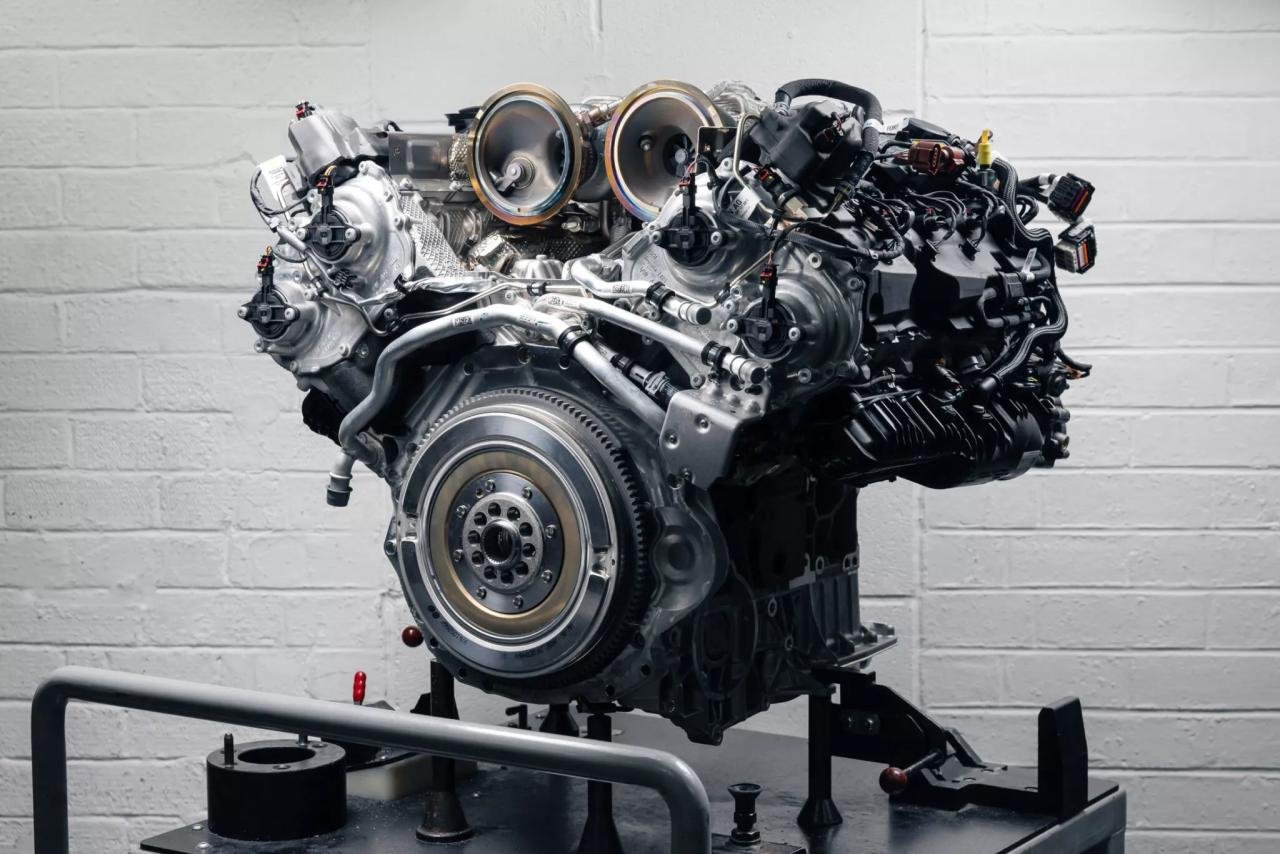
How Hybrid Systems Deliver Power Without Compromising Speed
Electric motors do not wait. Torque arrives at zero RPM, before the combustion engine has found its powerband, before revs have climbed anywhere useful. The throttle opens and the car goes. That behaviour becomes clearer when you look at electric motor torque physics, where force is delivered immediately rather than built through revs. Drivers feel it instantly.
Four hundred combined horsepower in a hybrid feels different from four hundred horsepower in a petrol-only car. The electric contribution lands in the rev range where most real driving happens. Below 3,000 RPM, on a slip road, pulling out of a junction, the hybrid is already ahead.
Braking zones used to be pure waste. In a hybrid, the electric motor runs backwards during deceleration, converting kinetic energy back into stored electricity. The battery refills. The next acceleration phase costs less. Lap after lap, the system quietly recovers what the driver spent getting there.
Battery position matters as much as battery size in a performance car. Packs mounted low and centrally drop the centre of gravity. Some hybrid sports cars turn better than their combustion predecessors partly because of where the weight sits.
Three Types of Hybrid Architectures in Performance Cars
A mild hybrid uses a small electric motor to help the combustion engine during acceleration. It cannot move the car on its own. What it does is take load off the combustion unit at the moments when it works hardest, smoothing delivery and recovering braking energy without changing how the car fundamentally feels to drive.
Full hybrids manage city driving on electricity alone. The combustion engine stays off in traffic, car parks, slow queues. It wakes up when the road demands sustained power or higher speed. Drivers who commute through cities and run country roads on weekends get genuinely different behaviour in each setting without doing anything differently themselves.
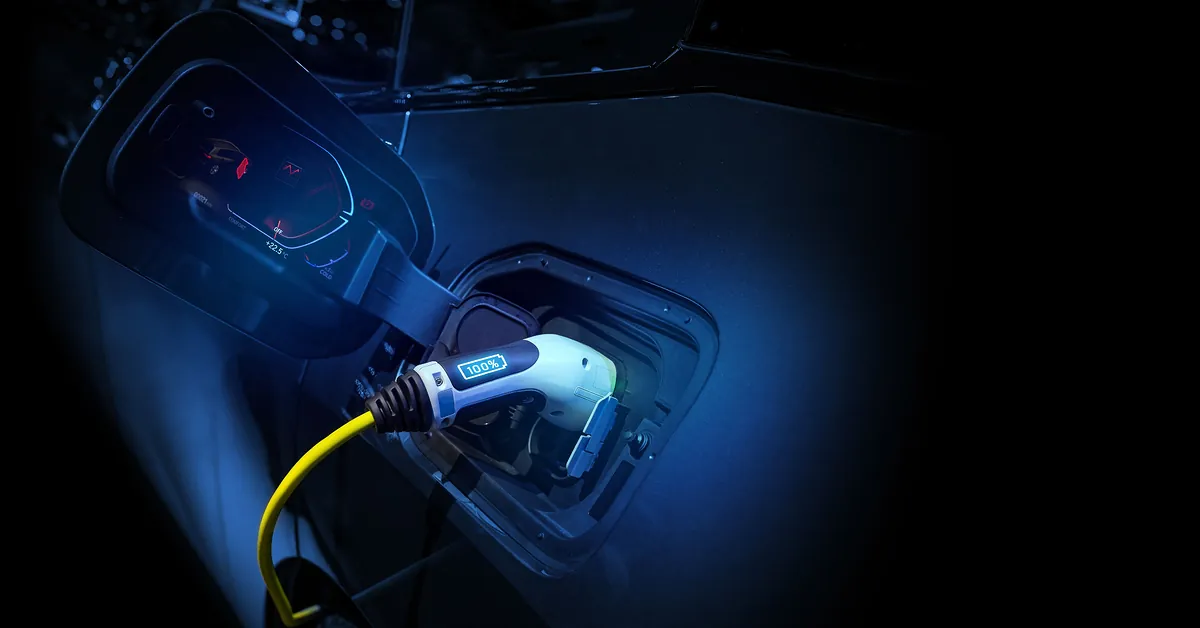
Plug-in hybrids carry batteries big enough to charge from an external source. Daily commutes run on electricity. Longer trips bring the petrol engine in when needed. For a driver covering forty miles a day between charges, the combustion engine barely runs during the week.
The hybrid range here covers all three architectures, priced for fleet and private buyers who need real-world usability rather than showroom performance. Models across the lineup are designed around exactly the kind of mixed driving these systems suit best, and those weighing up the options can discover how hybrid cars work in practice before committing to a configuration.
Emissions Reductions Without Sacrificing Driving Dynamics
CO2 figures for hybrid performance cars sit below combustion equivalents in real-world conditions, not just on test cycles. Urban driving shows the biggest gap. Electric-only operation handles low-speed stop-start phases where combustion engines are least efficient anyway.
Battery chemistry improved consistently across recent generations. Newer packs hold more energy in less mass. The weight penalty that made early hybrids feel compromised has largely disappeared. Aerodynamic work developed alongside the platforms adds further efficiency gains on top.

Real-World Performance Metrics
Zero to sixty times for hybrid sports cars match or beat combustion equivalents in independent testing. Looking at 0-60 times hybrid vs petrol shows how the electric motor’s contribution in the first phase of acceleration accounts for most of that gap, while combustion engines are still climbing through their powerbands.
Lap timing on varied circuits shows minimal differences between hybrid and combustion configurations. Where braking zones are long, regenerative recovery tips the balance. Ownership feedback lands consistently on one point: the car responds immediately, at any speed, in any gear. That quality carries beyond track use into everyday confidence.
What Buyers Should Consider When Evaluating Hybrid Performance Cars
Charging infrastructure matters for PHEV buyers. For HEV buyers it is a non-issue. Full hybrid batteries recharge through regenerative braking and the combustion engine with no external input needed. The choice often depends on access to electric vehicle charging infrastructure UK, starting with daily distances and charging options at home or at work.
Fuel savings compound differently depending on usage. High-mileage drivers with home charging extract the most from a PHEV. Lower-mileage drivers without reliable charging access often find a full hybrid delivers comparable real-world returns without the infrastructure dependency.
Brake wear runs lower across the board in hybrid vehicles. Regenerative braking handles most deceleration, leaving friction brakes in reserve. Battery warranties on hybrid components run several years with most manufacturers. Maintenance schedules differ modestly from conventional servicing without being more demanding.
Hybrid performance cars have moved from experiment to expectation. The gap between clean and quick has closed faster than most predicted. They offer faster response and more usable power across the rev range than combustion-only equivalents in everyday driving. Smart buyers who choose based on real-world usage rather than specs alone tend to get the best result overall.