What drives a person to pay millions at an auction for a machine that already lived a long life? The answer sits in history, emotion, and rarity. The world of auction sales reveals how a single expensive car turns into a cultural symbol. Every auction room carries tension. Each bid builds a story. Each hammer price seals a moment that collectors remember for years.
A strong entry into this market begins online. Platforms like abetter.bid open access to a global auction network. Buyers track a car sold before it appears live. Detailed listings show condition, history, and previous auction results. This approach reduces risk. It also helps evaluate if a car sold at auction matches its real value. Early research shapes better decisions before stepping onto an auction block
Why the Auction World Matters
The auction market defines value for every expensive car. Traditional sales rely on fixed pricing. Auction dynamics rely on demand. When multiple collectors compete, the final price often exceeds expectations. This process explains why the most expensive car ever sold reached historic levels.
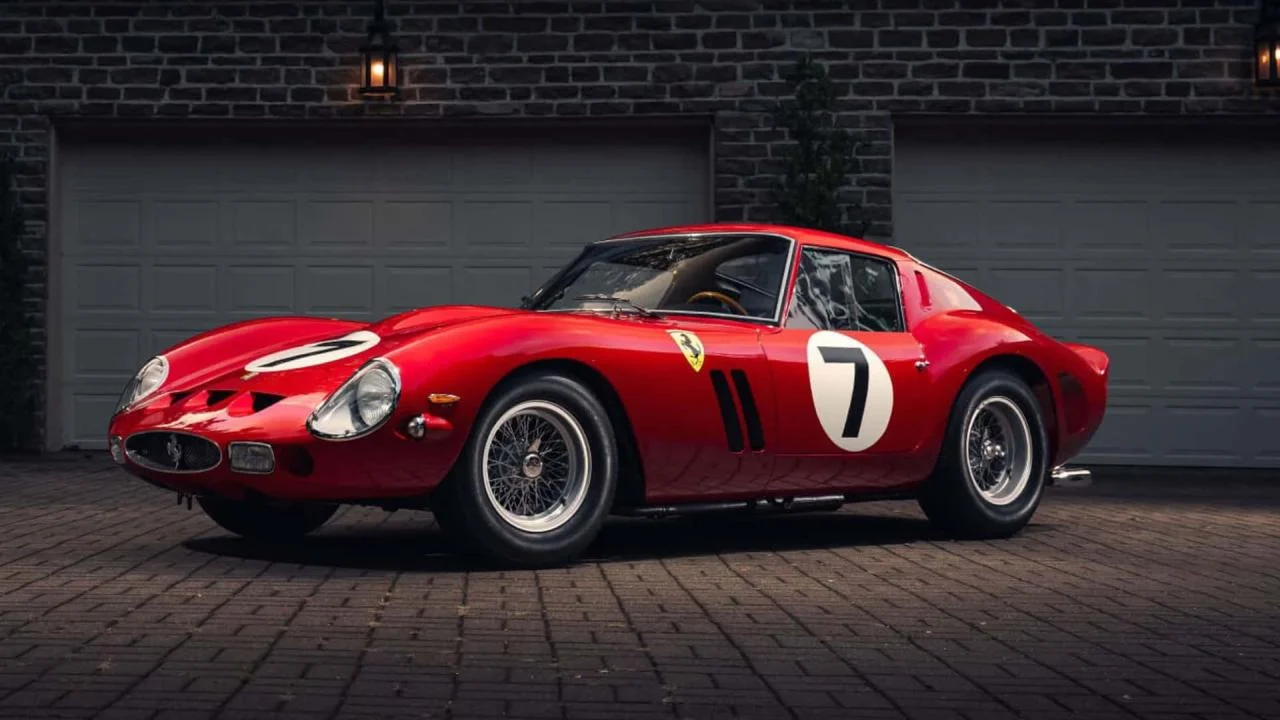
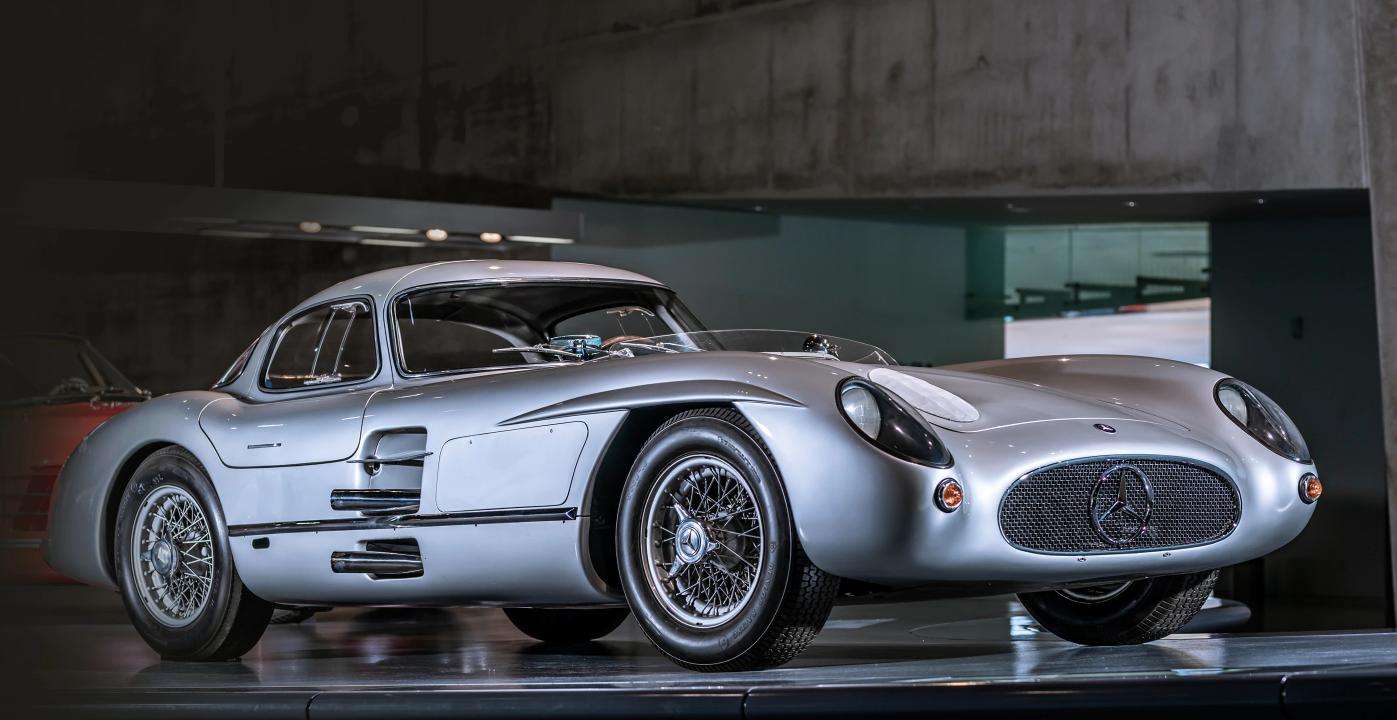
Take into consideration the 300SLR Mercedes-Benz. Particularly, though, this car lay on reverberating through time as the Uhlenhaut coupe became a sales record, the most expensive car sold ever. Also, reshaping the entire story on what an auction is will continue to resonate for quite some time to be seen as a private sale, where the first 250 GTO Ferrari ever sold at auction still to date remains steeped in racing heritage tied to Scuderia Ferrari. Victories at the 24 Hours of Le Mans added to its legacy.
Auction houses such as Gooding Christie’s and RM Sotheby’s create structured events. A Pebble Beach auction or Monterey Car Week draws global attention. Mecum builds scale with large volume events. A Mecum auction in Florida shows how diverse the collector car segment has become.
Icons That Shaped Auction Records
Some cars define entire eras. The Ferrari 250 GT SWB California stands among the most desired. The 250 GT SWB California Spider combines beauty with racing DNA. The GT SWB California Spider Competizione version adds rarity. SWB California spiders appear rarely. Each auction listing attracts intense bidding.
The 1964 Ferrari 250 LM holds a Le Mans-winning record. The 1965 24 Hours of Le Mans victory secured its place in history. A Ferrari built for endurance racing becomes more than transport. It becomes a collectible car tied to a racing team.
Mercedes legends also stand tall. The W196 R Grand Prix car driven by Juan Manuel Fangio achieved two world championships. Fangio and Stirling Moss defined the golden age of racing. Each chassis carries proof of mechanical
Top Auction Highlights
| Car model | Key feature | Auction impact |
| 1955 Mercedes-Benz 300 SLR | Uhlenhaut coupe design | Became the most expensive car |
| 1962 Ferrari 250 GTO | Le Mans success | Top spot among ferraris |
| 1994 Mclaren F1 | Rare production car | Expensive Mclaren benchmark |
| 1935 Duesenberg | Early luxury icon | Classic car milestone |
| 1955 Ferrari 410 | Racing pedigree | High demand at auction |
These examples form a list of the most expensive results. Many appear in the top 10 most expensive rankings. Each car sold builds momentum for the next auction cycle.
What Makes an Expensive Car Valuable
Several factors shape value at auction. A single detail can raise the hammer price by millions.
- Provenance. Ownership history matters. A car linked to Manuel Fangio or the Brunei royal family attracts attention.
- Racing success. A Le Mans-winning record or a Mille Miglia finish increases demand.
- Condition. A fully restored vehicle draws higher bids. Original parts also matter.
- Rarity. Limited production, such as 64 road cars, creates scarcity.
- Documentation. Verified chassis records protect buyers from hidden issues.
A collector car with these traits moves faster through bidding rounds. The final car sold reflects both emotion and logic.

The Role of Modern Auction Events
The Monterey car week in 2025 showed how the market evolves. Several expensive cars sold at auction reached new record levels. A 2025 Ferrari Daytona SP3 created a new model record. This is also the car that drew younger collectors into the scene.
Large events such as the Scottsdale 2026 auction or the Kissimmee 2026 auction expand reach. A 2026 auction introduces hybrid models and modern supercars next to vintage race cars. Mecum continues to host large-scale events. The Barrett-Jackson auction builds strong media coverage. Each auction held creates new benchmarks.
An auction in Florida highlights regional demand. Climate and storage conditions influence preservation. Buyers inspect each car at auction with precision. This habit reduces costly mistakes.
Checking a Car Before Bidding
Skipping inspection leads to regret. Smart buyers follow a strict process before entering an auction.
Start with visual inspection. Look for paint inconsistencies. Check for rust near structural points. Examine interior wear. These signs reveal past use.
Move to documentation. Confirm chassis numbers. Verify service history. Compare with factory records. This step protects against fraud.
Mechanical review comes next. Listen to engine sound. Test braking response. Review suspension conditions. Even a rare expensive car can hide faults.
Auction reports help as well. Many platforms include previous sale data. A car sold at public auction years ago offers a price reference. This context helps decide if a new bid makes sense.
Emotional Side of Bidding
Auction rooms carry energy. A bidder hears the crowd. A rival raises the paddle. The heart rate rises. This environment explains why a first car purchase at auction often feels intense.
Stories from collectors show the same pattern. A buyer targets a classic car for months. Research covers every detail. The auction begins. Bids climb fast. The final call arrives. The car sold becomes a personal victory.
Emotion drives prices. Logic sets limits. A balance between both defines success.

Future of the Auction Market
The next phase blends digital access with physical events. Online bidding expands participation. Global buyers join without travel. Data tools provide deeper insights.
New segments appear. Electric performance models enter the auction stage. Limited production car releases create instant demand. Each expensive car ever sold sets a new reference.
The market also honors history. Vehicles linked to the Indianapolis Motor Speedway Museum or to Grand Prix heritage continue to dominate headlines. The legacy of racing icons ensures that classic models remain valuable.
Conclusion
The auction world reflects more than transactions. It reflects passion, history, and competition. From the Ferrari 250 GT SWB California to the 1954 Mercedes-Benz, each car tells a story. A single expensive British car ever sold or a rare F1 car carries decades of engineering progress.
Understanding auction mechanics protects buyers. Research, inspection, and patience create better outcomes. Each car sold at auction becomes part of a larger narrative. Future records will rise. New collectors will enter. The cycle continues with every bid.
FAQ
Why do some cars reach over 10 million at auction?
Rarity and racing history drive demand. Limited production and famous ownership push prices higher.
What defines the second most expensive car result?
The second most expensive car often follows a record-breaking sale. It still holds strong value due to similar rarity.
How does a hammer price differ from the final cost?
Hammer price marks the winning bid. Fees and taxes increase the final amount paid.
Can a production car compete with race cars at auction?
Yes. A rare production car such as a special edition can match race cars if demand is strong.
What role does top speed play in value?
Top speed matters less than history. A car that became the first car to break a milestone still gains attention.