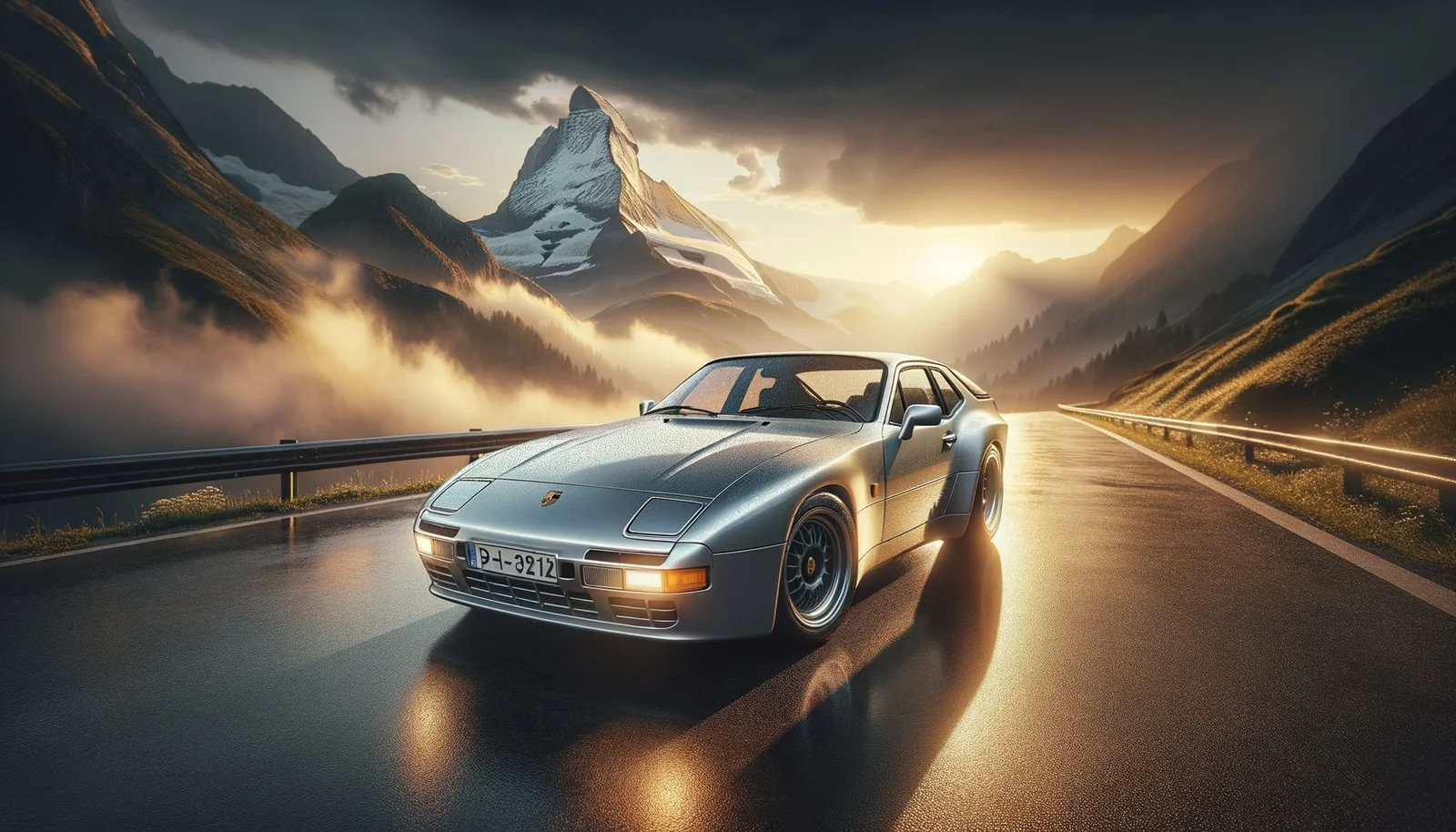
There is a very specific type of motoring injustice: the car that was brilliant all along but nobody noticed until the prices started moving. The Porsche 944 is suffering from exactly that right now. For most of the nineties and noughties, you could pick one up for the price of a tired Ford Focus. Enthusiasts who knew, knew. Everyone else walked straight past it towards a Golf GTI or, if they were feeling aspirational, a used 911. That era of wilful ignorance is ending — and quickly.
Why the 944 Was Always Better Than Its Reputation Suggested
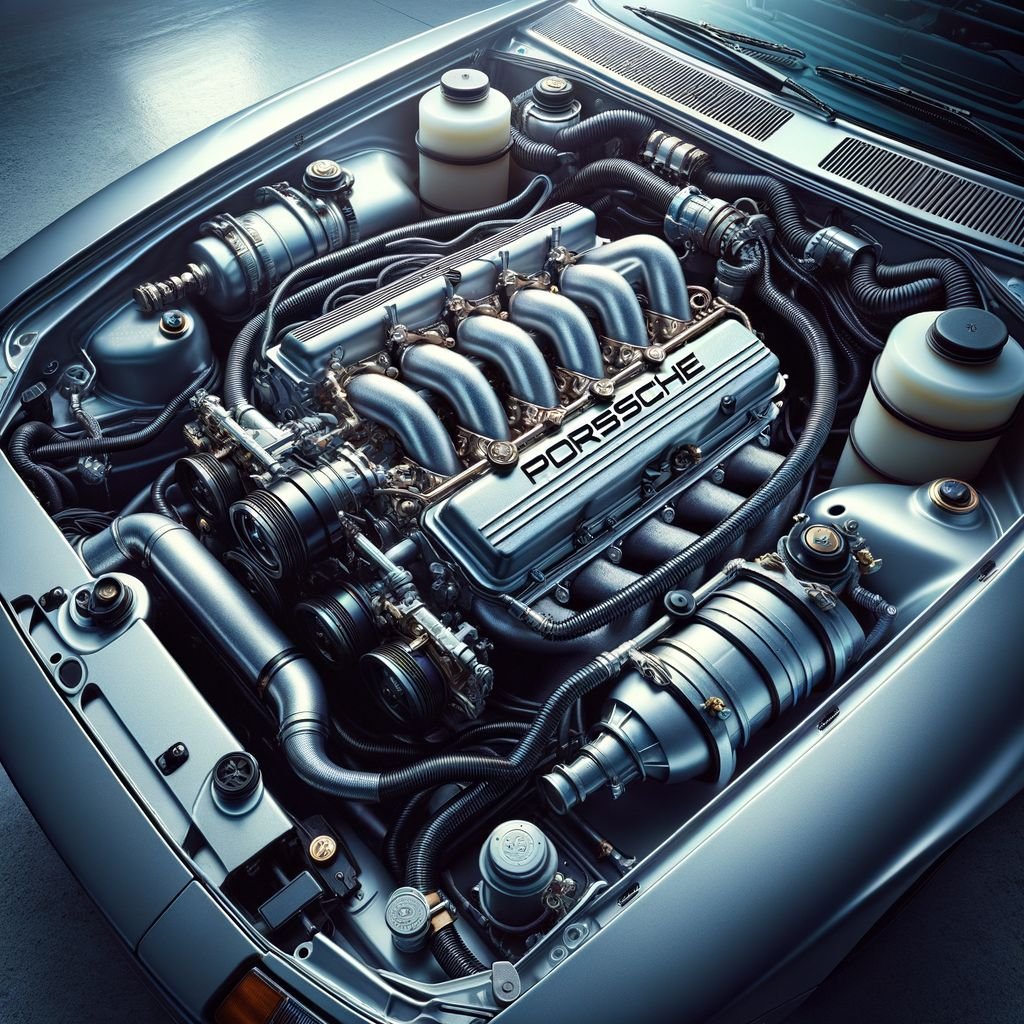
The 944 arrived in 1982 as the spiritual successor to the 924, inheriting its basic front-engine, rear-transaxle architecture but replacing the Audi-sourced engine with a proper Porsche unit. That 2.5-litre four-cylinder was, in essence, half of the 928’s V8 — and it showed. It was torquey, characterful and astonishingly well-balanced by the standards of any era.
The 50/50 weight distribution that the transaxle layout produced is the 944’s secret weapon. Modern sports cars achieve it with engineering complexity and considerable expense. Porsche achieved it in 1982 with elegant packaging. Get behind the wheel and you feel it immediately — a neutrality and composure that makes the car feel planted, adjustable and deeply trustworthy at pace.
The critics who labelled it a hairdresser’s car were simply wrong. Ferdinand Piëch didn’t commission hairdressers’ cars. The 944 Turbo, producing 220bhp in standard form and 250bhp in the later S variant, was one of the fastest cars in the world in 1985. It embarrassed Ferraris in contemporary road tests. Let that sit for a moment.
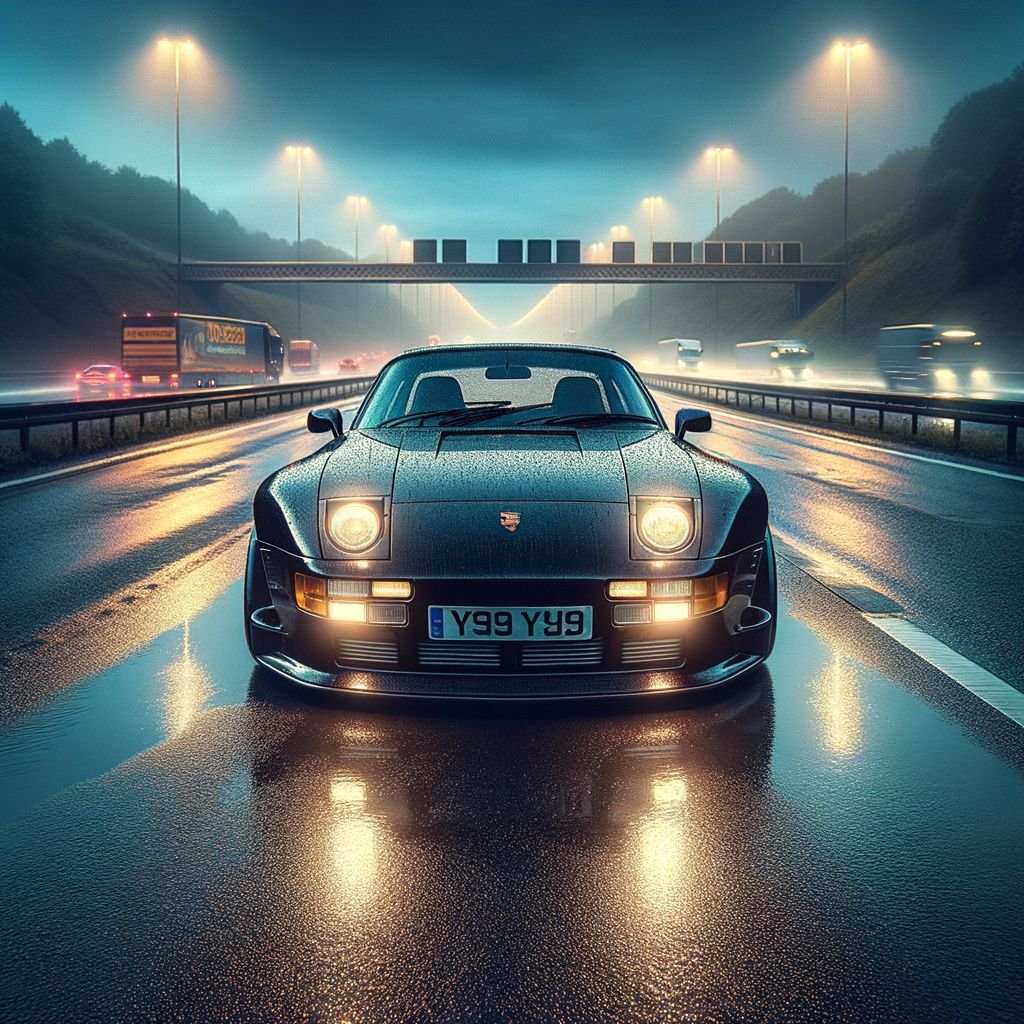
The Numbers That Make the Modern Market Make Sense
Spend £15,000 today and you are choosing between a new Dacia Sandero, a high-mileage BMW 3 Series, or — if you choose wisely — a genuinely excellent Porsche 944. That proposition becomes even sharper when you consider what you actually get for the money.
The best naturally aspirated 944s — clean, dry-stored examples with documented history — are now trading between £10,000 and £18,000. Turbo variants command a premium, with sorted examples reaching £25,000 for the best cars. Five years ago those figures were roughly half. The trajectory is unmistakable.
Compare that to buying a new hot hatch. A Golf GTI costs over £37,000 new. It is fast, polished and utterly competent — and also deeply anonymous. The 944 offers something fundamentally different: a connection between driver, machine and road that modern safety systems and electronic intervention quietly suppress. You are not isolated from the experience. You are the experience.
What to Look For: An Honest Buying Checklist
The 944 is not a car to buy in a hurry or on sentiment alone. These are forty-year-old machines and they require inspection with clear eyes. The good news is that the ownership community is extensive, knowledgeable and generous with advice. The less good news is that neglected examples can swallow money at an alarming rate.
Prioritise these checks above all others:
- Timing belt and balance shaft belt: If service history cannot confirm recent replacement, budget for it immediately. Failure is catastrophic and expensive.
- Coolant system: The 944 runs warm and coolant leaks are common. Check the expansion tank, hoses and water pump carefully.
- Sill condition: Rust here is structural and expensive. Probe sills firmly and look for filler.
- Front suspension bushes: Original rubber degrades with age. Fresh polyurethane bushes transform the handling and cost relatively little.
- Sunroof seals (on equipped cars): Leaks feed water into the cabin and rot the floor. Check the carpet for dampness at front and rear.
- Torque tube and clutch: A noisy torque tube or slipping clutch is a significant job. Budget accordingly if symptoms are present.
A pre-purchase inspection from a specialist — Hartech, 944 Motorsport or similar — costs around £200 and is worth every penny. A poorly-bought 944 is a money pit. A well-bought one is a pleasure that costs very little to maintain once in good health.
Making It Yours Without Ruining It
Part of what makes the 944 community so appealing is the culture of personalisation. These cars are old enough that nobody clutches their pearls at sympathetic modifications, and young enough that period-correct parts are still available. Light upgrades — stainless exhaust, uprated suspension, a decent sound system tucked invisibly into the cabin — make ownership more pleasurable without diluting character.
If you are registering a freshly imported example or simply want the number plate to reflect the car’s personality, Number 1 Plates is a straightforward option for sourcing road-legal pressed or acrylic plates in period-appropriate styles, which suits the 944’s aesthetic far better than a modern-format plastic plate ever could.
The golden rule with any classic is to preserve originality where it matters — bodywork, interior, drivetrain specification — and improve only where the car genuinely benefits. A 944 on fresh tyres, sorted geometry and functioning air conditioning is simply better to live with than a basket case wearing period stickers and an optimistic asking price.
Which Variant Is Right for You?
The 944 family spans more ground than many buyers realise. Choosing the right variant for your circumstances matters as much as finding a clean example in the first place.
The base 944 (1982–1989) is the entry point and arguably the purest expression of the concept. Light, naturally aspirated and beautifully balanced, it rewards smooth, committed driving. Running costs are the lowest in the range and parts availability is excellent.
The 944 S and S2 introduced a sixteen-valve head and later a 3.0-litre engine respectively. The S2 in particular is a properly rapid car — 0–62mph in under six seconds — and remains undervalued relative to the Turbo despite offering comparable performance in most real-world conditions.
The 944 Turbo is the headline act. Wider arches, a more aggressive stance and that boosted 2.5-litre unit make it the most visceral version of the car. Values have moved furthest here, but the driving experience justifies it. The Cabriolet, available across several variants, commands a small premium and offers a different kind of pleasure entirely on a warm British evening.
The Window Is Open, But It Will Not Stay Open
Classic car markets have a rhythm. There is a period when a car is genuinely cheap — overlooked, underappreciated, available to anyone willing to look. Then awareness builds, features appear, values climb and the window closes. The 944 is mid-cycle through that process right now.
The cars that sold for £4,000 in 2015 are now £12,000. The cars that are £12,000 today will very likely be £20,000 by 2030, assuming the broader classic market holds. More importantly than the investment arithmetic, though, is the simple fact that a well-sorted 944 is one of the most genuinely entertaining cars you can own at any price.
It has real Porsche DNA — not a badge on a cynical product, but an actual engineer’s solution to the problem of making a sports car that works. The fact that it also represents excellent value at current prices is almost a bonus. Almost.