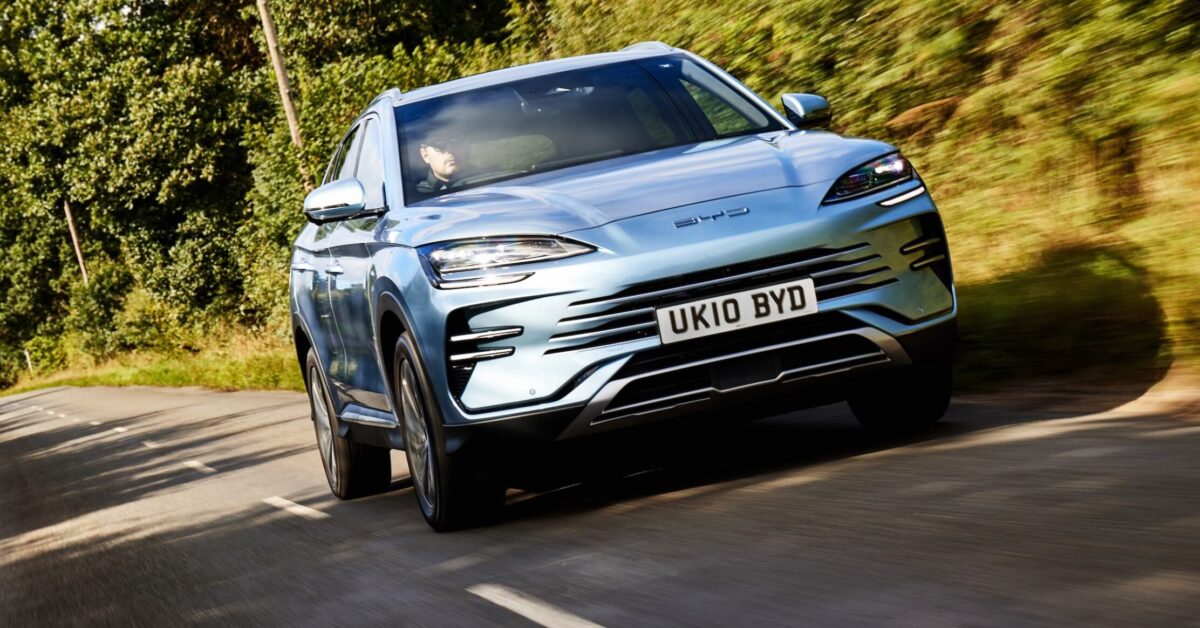
Make and model: BYD Seal U DM-i all-wheel drive Design
Description: Mid-sized plug-in hybrid SUV
Price range: £34,995 to £39,995
Summary: The BYD Seal U has strong equipment, a seamless hybrid system and a competitive price – but the ride and steering let it down.
For a broader ownership picture, see our BYD Seal U Expert Rating, which combines media reviews, safety data, reliability, running costs and warranty cover.
BYD has been one of the fastest-growing car brands in the UK over the last couple of years, and the Seal U DM-i is its attempt to crack the family SUV market with a plug-in hybrid rather than a pure electric model. The idea is straightforward: offer the fuel efficiency and electric driving of a plug-in hybrid at a price that undercuts established European rivals, and back it up with a generous equipment list.
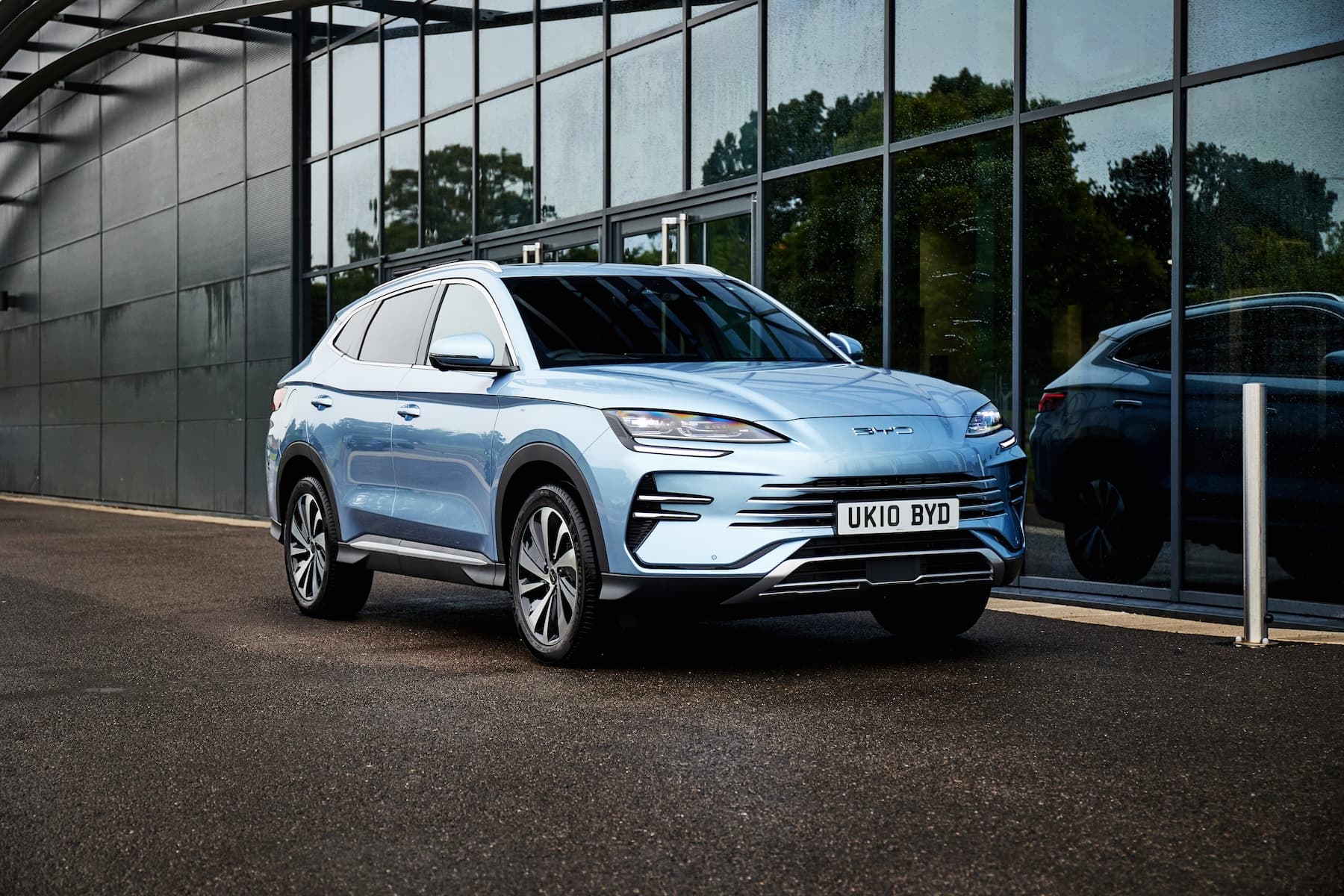
The Seal U DM-i is available in three trim levels – Boost, Comfort and Design – with the Boost and Comfort models using front-wheel drive, and the top-spec Design adding all-wheel drive. The car we drove was the Design, priced at just under £40K.
For a broader ownership picture, see our full BYD Seal U Expert Rating.
Price and equipment
At just under £40K, the Design trim is well equipped as standard. The headline items include a large rotatable touchscreen, a head-up display, wireless phone charging for two devices simultaneously, a panoramic sunroof, heated and ventilated front seats with massage function, a ten-speaker audio system, and a comprehensive suite of driver assistance technology. Vehicle-to-load capability – which lets you power external devices from the car’s battery – is also standard, which is a genuinely useful feature at this price.
The six-year manufacturer warranty is competitive, and the eight-year battery warranty provides additional reassurance for plug-in hybrid buyers concerned about long-term running costs.

Inside the car
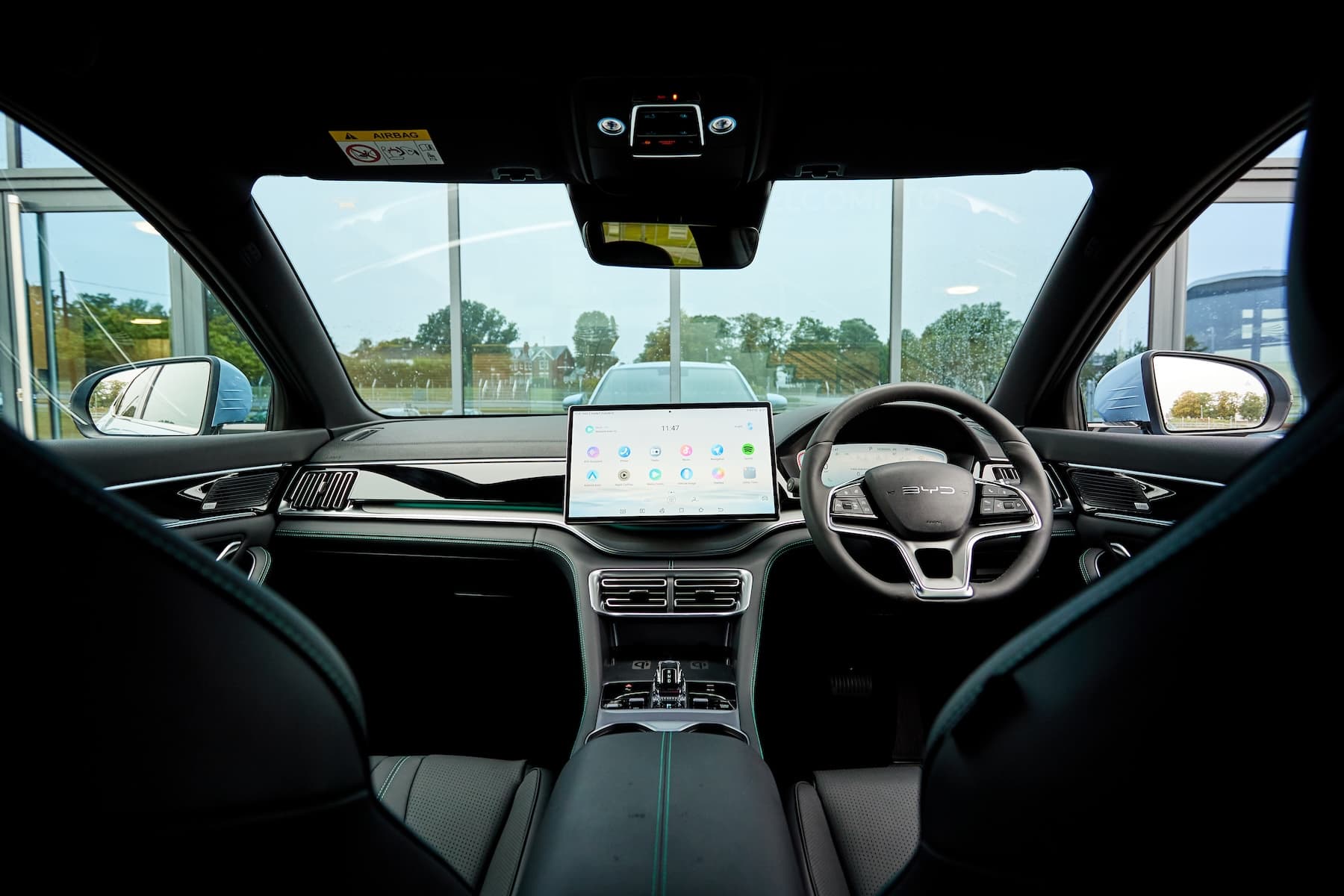
The most immediately striking feature of the Seal U’s interior is the 16-inch central touchscreen – and not always for the right reasons. It’s genuinely large, to the point where reaching the far side of the screen from the driver’s seat requires an awkward stretch. Content on the driver’s side edge is partially obscured by your hand and the steering wheel when the screen is in landscape mode. The screen can also rotate 90 degrees into portrait mode, which feels more like a party trick than a practical feature – Apple CarPlay isn’t available in portrait mode, which means most drivers will rarely use it that way. Portrait mode also leaves a lot of unused space on the screen, suggesting the software hasn’t been fully optimised for that orientation.
On our car, the screen appeared darker than expected in CarPlay mode. This may have been a settings issue rather than a fault with the car, but we couldn’t fix it over the course of a week.
Away from the screen, the rest of the cabin is more positive. There are enough physical controls for key functions – including a proper volume knob, which is increasingly rare – and the gear selector is in its conventional position rather than relocated to somewhere unusual. It’s an attractive clear crystal-look design that suits the interior well. The twin wireless charging pads in the centre console are well positioned and kept phones in place throughout the drive without the disconnection issues that plague some rival systems.
The cabin design has a generic contemporary feel that will be familiar to anyone who has spent time in a modern SUV, but it’s done competently. The art deco-inspired air vents and speaker covers give it a distinctive touch without veering into the more eccentric design choices found in some other BYD models. The colour palette is almost entirely monochromatic, but enough variation in materials and finishes prevents the interior from feeling oppressive.
The large panoramic sunroof makes a meaningful difference to the cabin atmosphere when open, flooding the interior with light and making it feel noticeably more spacious. The ambient lighting system, which supposedly pulses in time with music, is less successful – it’s distracting in use and actively disruptive if you’re listening to a podcast, where the strobing effect is particularly noticeable.
Front seat comfort is good, with well-shaped and well-supported seats that should cope well on longer journeys. The rear seat is less impressive – it’s an almost entirely flat bench, which lacks the contouring that makes extended rear passenger journeys comfortable. Rear legroom and headroom are decent, and the flat floor between the rear seats is a genuine practical advantage for the middle passenger. Two USB-C charging ports in the back of the centre console are a thoughtful addition.
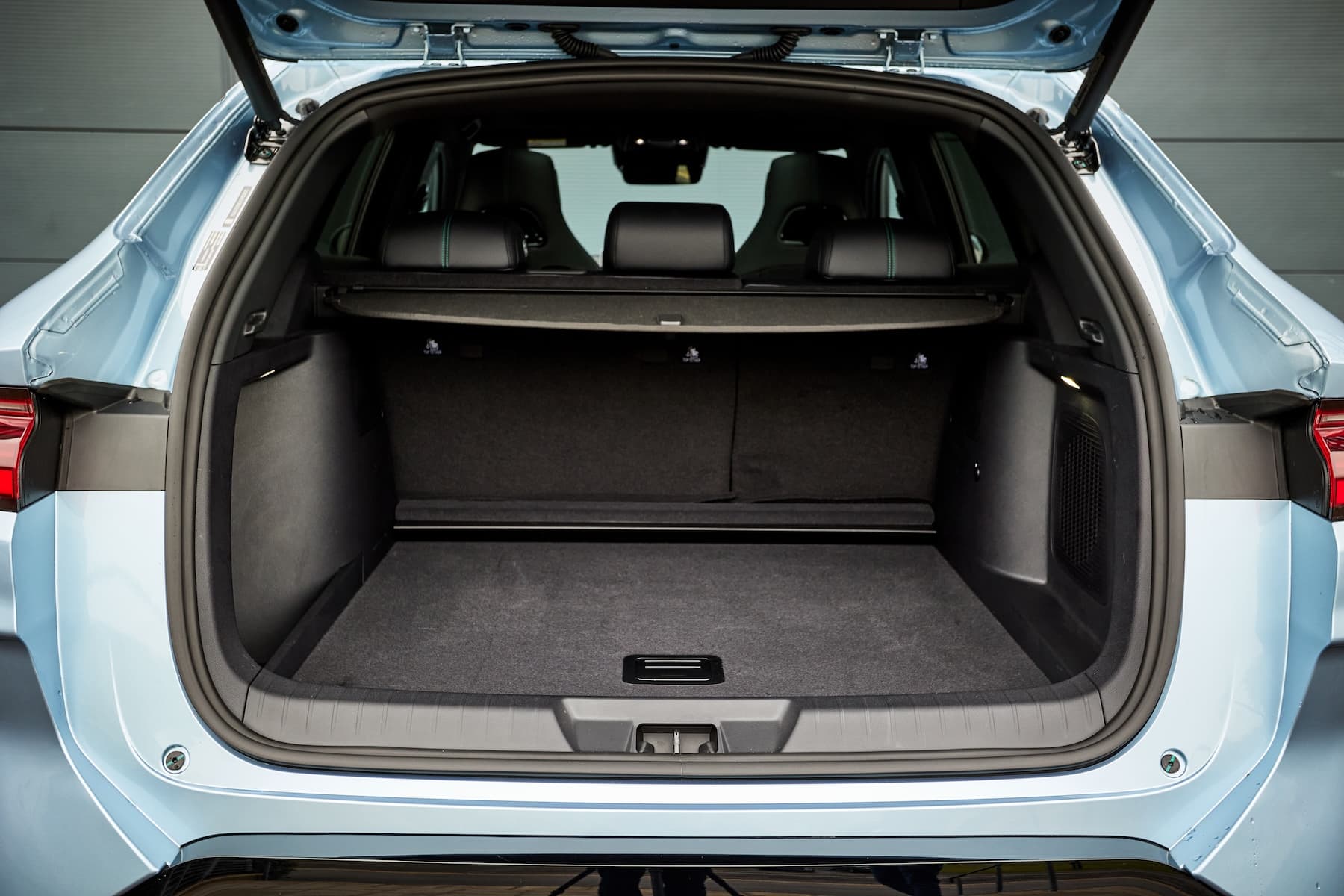
The boot is modest for a car of this size at 425 litres – noticeably shorter than some rivals, which limits its practicality for bulkier loads.
Driving range and charging
The Seal U DM-i Design has a claimed electric-only range of 43 miles, which is enough for most daily commutes without touching the petrol engine. The combined range on a full tank and full charge is claimed at just under 500 miles, which should provide an ideal combination of electric power for short day-to-day trips and petrol power for longer journeys.
Charging the 18kWh battery takes around two and a half hours from a home wallbox, or 35 minutes for a 30-80% top-up at a public fast charger. The maximum public charging speed of 18kW is lower than some rivals – a reflection of the relatively small battery rather than a significant practical drawback for most users.
As with most plug-in hybrids, the cost equation only works out truly favourably if you can charge the car at home, allowing you to maximise electric running. If the majority of your driving is longer journeys or requires public charging, you won’t be getting any significant benefit from the EV side of the equation.
On the road
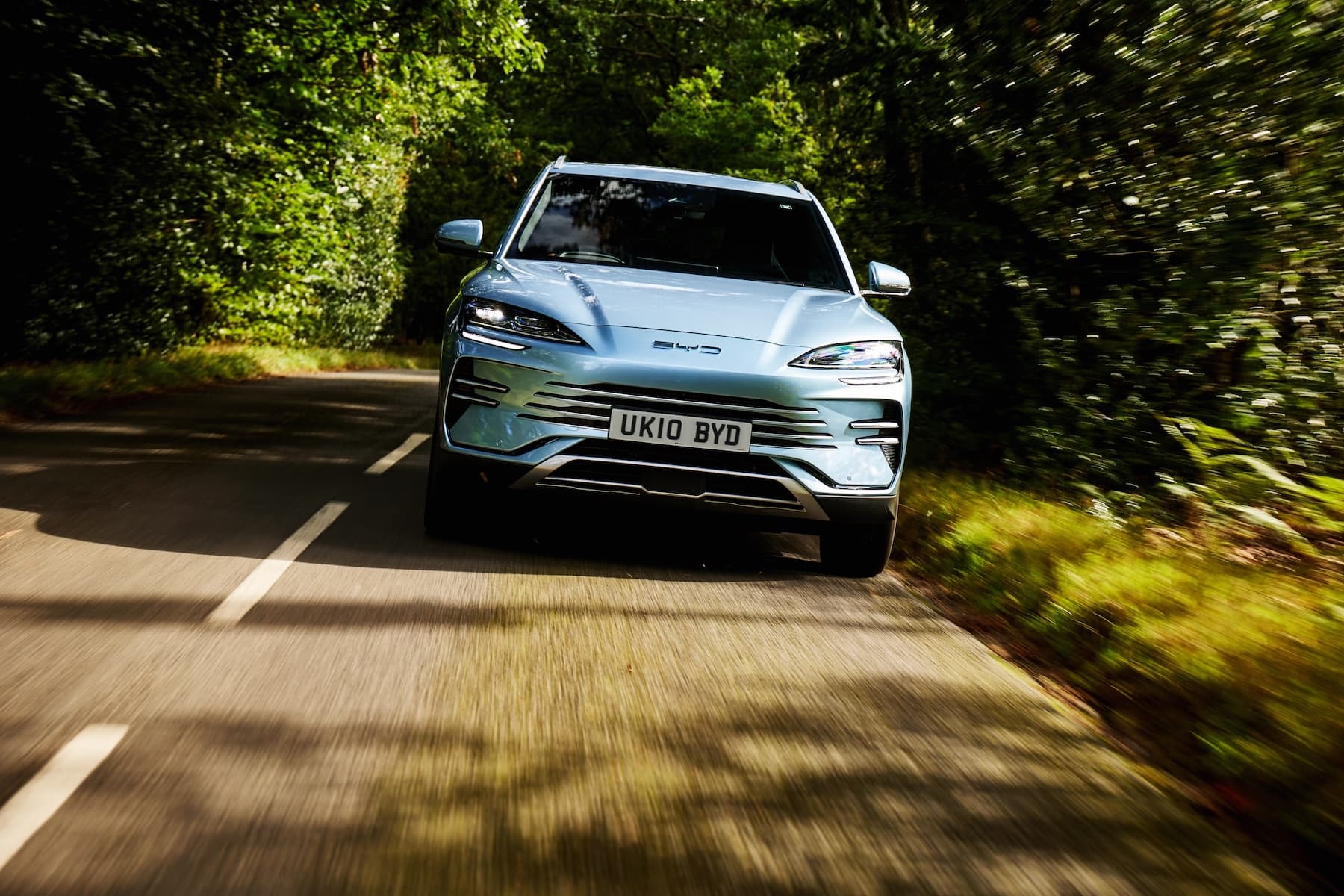
The Seal U’s plug-in hybrid system is one of its strengths. The transition between electric and petrol power is seamless in everyday driving, and most drivers would struggle to identify the exact moment the engine becomes involved. Left to its own devices, the car will manage the balance between electric and petrol power for best use. At lower speeds, the electric mode dominates and is highly efficient at urban driving. At higher speeds, the petrol engine will take over – even if the battery is still full of charge – as it’s more efficient for running at motorway speeds than the battery.
Performance is more than adequate for typical family use – the all-wheel drive Design model has enough power to feel confident in most situations without being fast in any meaningful sense. There are other hybrid SUVs with better performance, but in a week of driving the Seal U, we never felt that it needed any more power.
The steering, however, is very light and almost entirely devoid of feedback. Many family SUVs share this trait, but the Seal U is at the more extreme end – there’s very little sense of connection between turning the wheel and what’s happening with the front wheels, which can feel unsettling on less familiar roads.
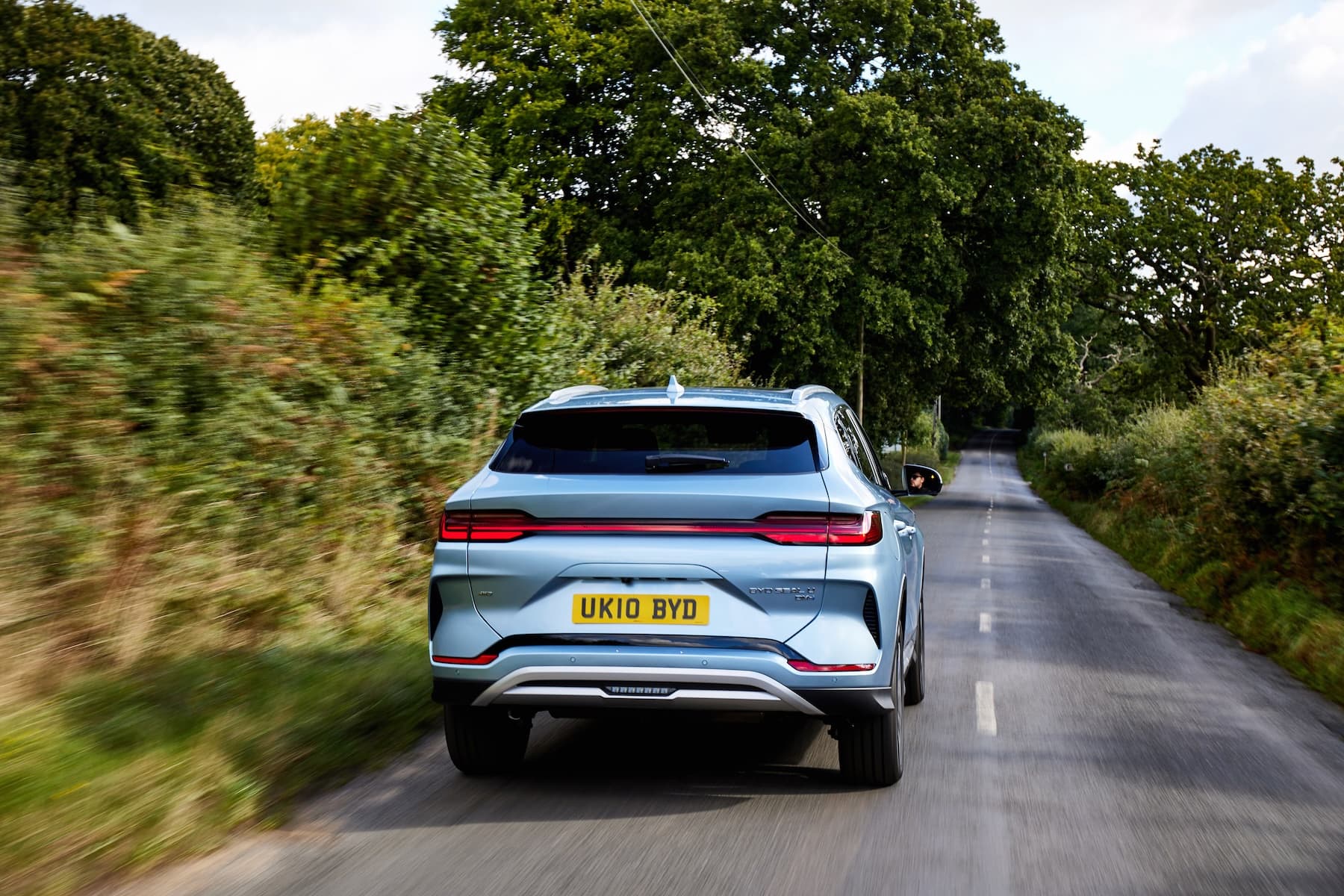
The ride is the most significant shortcoming. The car bounces awkwardly between bumps rather than absorbing them smoothly, and wallows noticeably through longer curves. On a UK road network that includes significant stretches of poor-quality tarmac, this is more than a minor irritation. The overall driving experience is underwhelming for a car at this price.
Verdict
The BYD Seal U has genuine strengths. The equipment list is comprehensive, the plug-in hybrid system works smoothly, the warranty is generous and the price is competitive against European rivals. For buyers who prioritise running costs, range flexibility and standard equipment, it makes a reasonable case for itself.
But the driving experience falls short of what the price should deliver. The ride quality is disappointing, the steering offers little confidence, and the oversized touchscreen creates more frustration than it resolves. Several rivals offer a more polished overall package at a similar price, and buyers would be wise to cross-shop carefully before committing.
For a broader ownership picture, see our full BYD Seal U Expert Rating.
We like:
- Plug-in hybrid system transitions seamlessly between electric and petrol power
- Comprehensive standard equipment list
- Generous six-year warranty and eight-year battery warranty
- Panoramic sunroof transforms the cabin atmosphere when open
- Flat rear floor is great for middle rear passengers
We don’t like:
- Ride quality is disappointing
- Steering is very light with almost no feedback, which feels unsettling on less familiar roads
- Touchscreen is too large to use comfortably, while portrait mode is poorly optimised and of limited practical use
- Boot capacity is below-average
Similar cars
Audi Q5 | BMW X3 | Chery Tiggo 8 | Citroën C5 Aircross | Cupra Terramar | Dacia Bigster | Ford Kuga | Honda CR-V | Hyundai Tucson | Jaecoo 8 | Jeep Compass | KGM Korando | Kia Sportage | Land Rover Discovery Sport | Leapmotor C10 REEV | Lexus NX | Mazda CX-5 | Mercedes-Benz GLC | MG HS | Mitsubishi Outlander | Nissan Qashqai | Omoda 9 | Peugeot 3008 | Renault Austral | SEAT Ateca | Skoda Kodiaq | Subaru Forester | Suzuki S-Cross | Toyota C-HR | Vauxhall Grandland | Volkswagen Tiguan
Key specifications
Models tested: BYD Seal U DM-i Design
Price as tested: £39,995
Powertrain: 1.5-litre petrol/single-motor electric plug-in hybrid
Gearbox: automatic
Power: 323 hp
Torque: 405 Nm
Top speed: 112 mph
0-62mph: 5.9 seconds
Battery range: 43 miles
CO2 emissions: 37 g/km
Euro NCAP safety rating: Five stars (September 2024)
TCE Expert rating: A – 75% (as of April 2026)