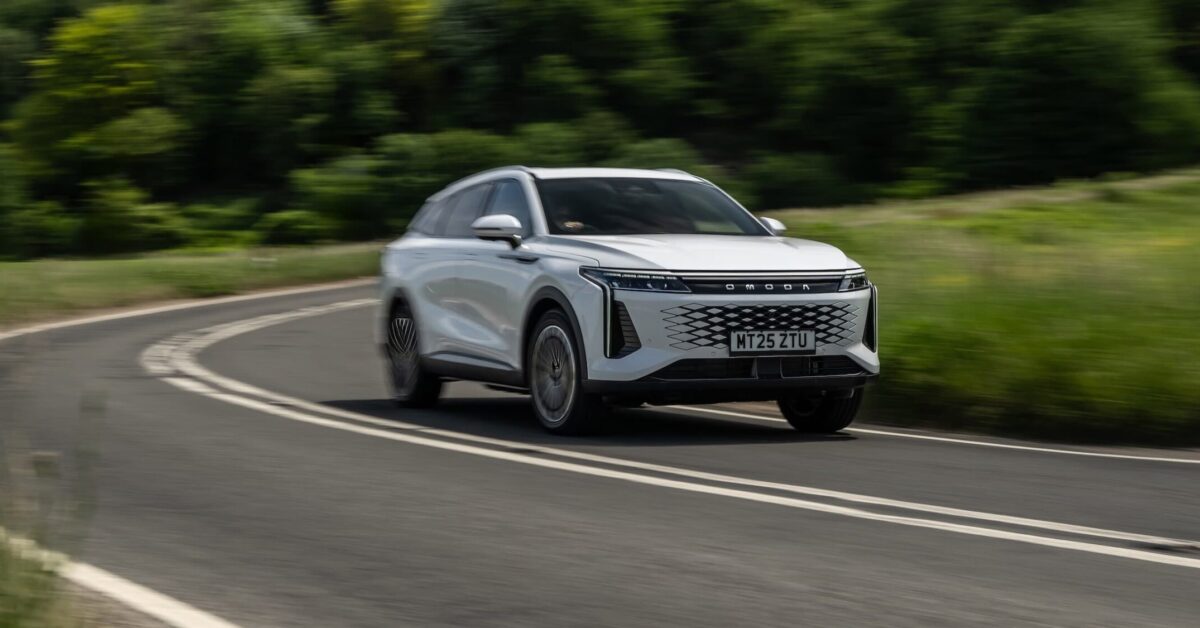
Make and model: Omoda 9
Description: Large electric SUV
Price range: from £44,990
We say: The Omoda 9 is a spacious and well-equipped plug-in hybrid SUV, with excellent electric range, a top safety rating and plenty of performance, although it lacks the last degree of refinement that premium rivals offer.
Introduction
The Omoda 9 arrived in the UK as a bold statement from a new brand, promising generous equipment, plug-in hybrid efficiency and a competitive price in a crowded family SUV market. It made a strong early impression and has since gone on to win our Best Family Plug-in Hybrid 2026 award.
But awards are only part of the picture. After a seven-day UK test, the more important question is whether the Omoda 9 still feels convincing once the novelty fades and everyday use takes over.
For a broader ownership picture, see our full Omoda 9 Expert Rating.
Price and equipment
There is only one version of the Omoda 9 available in the UK, which simplifies the buying decision. The list price remains competitive against established plug-in hybrid SUVs from European and Korean brands, particularly once standard equipment is considered.
Specification levels are generous. You don’t need to work through a complex options list to get features that are often optional elsewhere. That strengthens the value case on paper.
However, value is not just about equipment lists. It is also about how well those features work in daily life, and whether the overall experience feels cohesive rather than simply well stocked.


Inside the car
At first glance, the Omoda 9 feels modern and well presented. The dashboard layout is clean, and the twin-screen setup gives it the kind of digital appearance buyers now expect in this class. Over a week of driving, though, some weaknesses become more apparent.
The touchscreen fonts are too small to use confidently on the move. You find yourself glancing away from the road for longer than you would like, simply to confirm what you are pressing. This is not unique to Omoda, but it is noticeable here and becomes frustrating with daily use.
Front seat comfort is another weak point. The seats feel firm and flat, with a narrow cushion that gives the impression of sitting on the seat rather than in it. On shorter trips this is acceptable, but over longer journeys it becomes tiring. Rear seat space is decent for the class, although the seat comfort theme continues in the back.
Boot space is good and competitive for a mid-size SUV. The loading height is slightly high, but that is typical for this type of vehicle rather than a specific flaw.
Driving range and charging
As a plug-in hybrid, the Omoda 9’s appeal depends heavily on its electric capability.
In normal mixed driving, achieving more than 50 miles of electric range was straightforward. That makes it possible for many drivers to complete daily commuting without using petrol at all, especially if they can charge at home or work.
Over a week of mainly country-road driving rather than urban use, fuel economy settled at around 45mpg once the battery had been depleted. That is respectable for a vehicle of this size and performance, though not exceptional.
The charging port is mounted on the rear quarter panel, which proves convenient whether parking nose-in or reversing into a space. We did not fast-charge the car during this test, but home and workplace charging arrangements are likely to be where most owners use it.
Overall, the plug-in system works competently and delivers meaningful electric range, which remains one of the Omoda 9’s strongest points.
On the road
The Omoda 9 is generally comfortable and easy to drive. Around town it feels smooth and well insulated when running on electric power, and it transitions between electric and petrol modes without obvious jolts.
On smoother roads, ride quality is good. However, on rougher surfaces it can feel unsettled, and there is noticeable body roll through corners. It is not uncomfortable, but it does not feel especially composed either.
Motorway refinement is acceptable, though not outstanding. When the petrol engine is running it is reasonably quiet, but tyre noise becomes more prominent at higher speeds. Over longer distances, the overall impression is of competence rather than polish.
One of the more frustrating aspects over a full week was the calibration of the driver assistance systems. Warning alerts felt intrusive and were triggered more frequently than in many established European alternatives. During a short launch drive this was irritating; over several days it became tiring.
The longer we lived with the Omoda 9, the less impressive it felt. Nothing is fundamentally wrong, but the sense of solidity and refinement offered by some rivals is not fully matched here.


Verdict
The Omoda 9 makes a strong case on paper. It offers generous equipment, more than 50 miles of real-world electric range and competitive pricing in a segment where plug-in hybrids can quickly become expensive.
However, a week of everyday driving reveals compromises. Seat comfort is below average, touchscreen usability could be better, refinement is good rather than great, and the driver assistance systems need calmer calibration.
It remains a sensible and well-priced plug-in hybrid SUV, and its electric range is genuinely useful. But it does not feel as cohesive or polished as some established – albeit more expensive – rivals.
If value and electric capability are your top priorities, the Omoda 9 deserves consideration. If overall refinement and long-distance comfort matter more, you may want to compare alternatives carefully.
For a broader ownership picture, including safety, running costs and reliability data, see our full Omoda 9 Expert Rating.
We like:
- More than 50 miles of real-world electric range
- Competitive pricing and generous equipment
- Good boot space
- Smooth electric driving in town
- Simple single-spec buying process
We don’t like:
- Front seats lack long-distance comfort
- Touchscreen fonts too small to use easily
- Driver assistance warnings overly intrusive
- Ride unsettled on rough roads
- Refinement only average at motorway speeds
Similar cars
Audi Q5 | BYD Seal U | Chery Tiggo 8 | Citroën C5 Aircross | DS 7 | Ford Kuga | Honda CR-V | Hyundai Tucson | Kia Sportage | Land Rover Discovery Sport | Mazda CX-5 | MG HS | Mini Countryman | Nissan X-Trail | Peugeot 5008 | Renault Austral | SEAT Ateca | Skoda Kodiaq | Suzuki Across | Toyota RAV4 | Vauxhall Grandland | Volkswagen Tiguan
Key specifications
Model tested: Omoda 9 SHS
Price: £44,990
Engine: 1.5-litre petrol engine + electric motor, all-wheel drive
Gearbox: Three-speed hybrid automatic
Power: 449 hp
Torque: 765 Nm
Top speed: 124 mph
0-60 mph: 4.9 seconds
Battery range: 93 miles
CO2 emissions: 38 g/km
Euro NCAP safety rating: Five stars (July 2025)
TCE Expert Rating: A (70%) as of February 2026
Buy an Omoda 9
If you’re looking to buy a new or used Omoda 9, The Car Expert’s partners can help you find the right car.
Lease an Omoda 9
If you’re looking to lease a new Omoda 9, The Car Expert’s partners can help you find a competitive deal.

Personal contract hire deals from Select Car Leasing. Find out more